
Palo Alto Resident Lookup Coverage
A name search begins by deciding what “confirm” means. A parcel result can support an owner connection. A court docket can confirm that a person with the same name appears in a case. A vital record can confirm an event when the requester qualifies for the copy. A directory or obituary can place a person in an earlier time. None of these sources is a complete current-person file.
| Record | What it confirms | Where | Access |
|---|---|---|---|
| Assessor parcel | Possible owner tied to an APN and tax mailing clue | Santa Clara County Assessor | Address/APN search |
| Recorded deed | Party role, transfer, recording data, legal land | County Clerk-Recorder | In-person index and image |
| Superior Court docket | Case candidate, role, dates, events, disposition | Santa Clara Superior Court | Portal, terminal, or counter |
| Vital record | Birth, death, marriage, or divorce event | County / CDPH | Copy type and eligibility rules |
| License or business filing | Public professional or entity affiliation | DCA / Secretary of State | Free index, board-specific detail |
| Directory, obituary, or yearbook | Historical address, relative, school, or chronology | Library / PAHA / Stanford | Online, onsite, or reference request |
The right path depends on the clue. A current address starts with an APN. A known court event starts with a case number or party role. A family-history question starts with the library, obituary index, census, or vital record rules.
Build a Two-Record Palo Alto Identity Match
Same-name errors are the central risk in a resident lookup. Keep every spelling, middle initial, diacritic, compound surname, married name, and reversed name order. Then compare chronology, age or event date, spouse or relative, occupation, parcel or legal description, and the location attached to the record. A similar name is a candidate, not a conclusion.
- Write the name exactly as first found, including initials and punctuation.
- Separate a situs address from a tax mailing address, business address, or historical listing.
- Search the record custodian that fits the question: assessor, court, vital desk, library, license board, or business registry.
- Compare at least two independent identifiers, such as a relative plus a date or an APN plus a deed party.
- Record what remains uncertain and ask the custodian to correct its source if a record is wrong.
A public contact route is safer than publishing a sensitive address. The process should narrow a research question, not turn an uncertain name into a personal claim.
Test a Palo Alto Property Connection Carefully
The County Assessor’s address/APN tool can return a parcel card with APN, situs, property class, assessed values, tax-rate area, assessment year, legal-description cues, and transfer or base-year information where published. A public online owner-name search is not offered as a general mode. Use the address or APN, then keep the owner or mailing evidence separate from the question of residence.
If the property connection matters, take the APN and legal description to the Clerk-Recorder. Recorded research is in person at 110 West Tasman Drive, and the office lists name, address, APN, document number, and pre-1994 book-and-page methods. A deed establishes a title transfer. It does not establish that the named party lived at the situs. The Santa Clara County Recorder, Assessor, and GIS routes therefore form a three-part check.
For address-keyed parcel and permit details, use the Palo Alto street directory workflow. It separates a parcel trail from a one-person identity match.
Inspect a Santa Clara Court Candidate
The Santa Clara Superior Court public portal searches loaded case information and calendars. Party name, case number, case type or division, and filing date or date range can narrow a result. The portal exposes Civil and Probate choices, with other divisions and calendars reached through their own tabs. Criminal-Palo Alto is a calendar category, but a Palo Alto address alone does not determine venue.
| Portal field or control | What to capture |
|---|---|
| Case Information | Loaded case search and result details |
| Case Number | Exact route when known |
| Party Name | Surname or entity plus given name where offered; try variants |
| Case Type / Division | Civil, Probate, and category-specific options |
| Filing Date / Date Range | Narrows same-name candidates |
| Calendars | Traffic, criminal, civil, probate, and juvenile-related calendar modes |
A typical accessible result can show case number, caption, case type, filing date, status, party names and roles, attorneys, register-of-actions events, hearing date and department, disposition or judgment, and document entries. Images vary. Sealed, adoption, juvenile, and confidential family material may be absent.
The Santa Clara case-search portal is the online path. The Palo Alto Courthouse information page helps identify local services, while a courthouse clerk or public terminal may show a register or image unavailable remotely.
The California Megan’s Law registry supplies a separate official lookup category shown in the capture below.
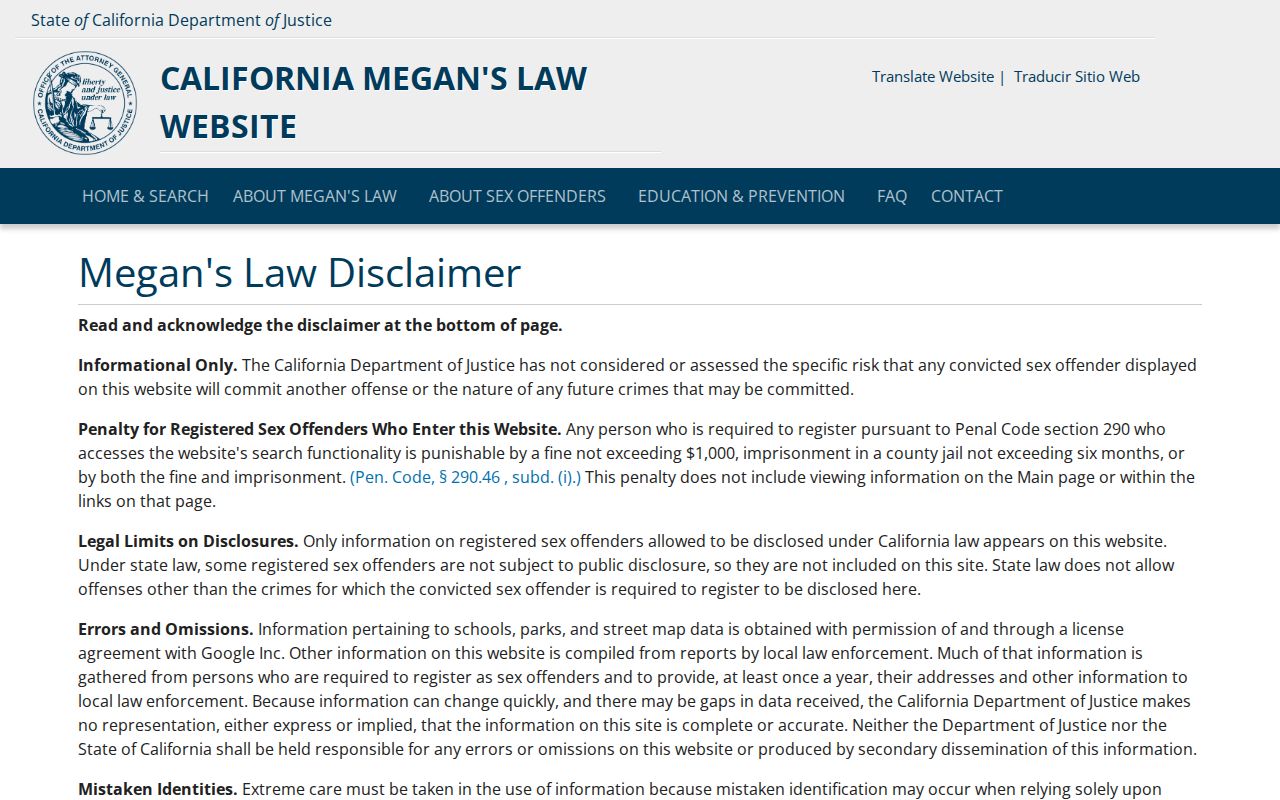
The registry image belongs to a different official lookup category, which illustrates why a result must be named by custodian and purpose. The California Megan’s Law site has its own restrictions and is not a substitute for a court docket.
Use Vital Records Without Confusing Copy Types
California vital access depends on the record and the requester. Santa Clara County Clerk-Recorder and local Public Health handle local registrar functions, while CDPH maintains statewide birth, death, fetal-death, marriage, and divorce products. Birth records in the state system begin in July 1905. CDPH lists four to six weeks for certified copies and notes that a county office can be faster.
An authorized birth, death, or marriage copy generally requires a statutory relationship or authority, a sworn statement, and notarization. An informational certified copy may be available but cannot establish identity. Adoption originals and confidential marriages have separate restrictions. CDPH’s 2026 state fees are $31 birth, $26 death, $19 marriage, and $18 for a dissolution certificate. A mailed application includes the event name and place, date, applicant relationship, payment, and conditional notary block.
Use the authorized-versus-informational copy instructions, the CDPH application instructions, the current fee schedule, and the processing-time notice with the county route. A name search does not bypass eligibility.
Read Palo Alto Court and Federal Results
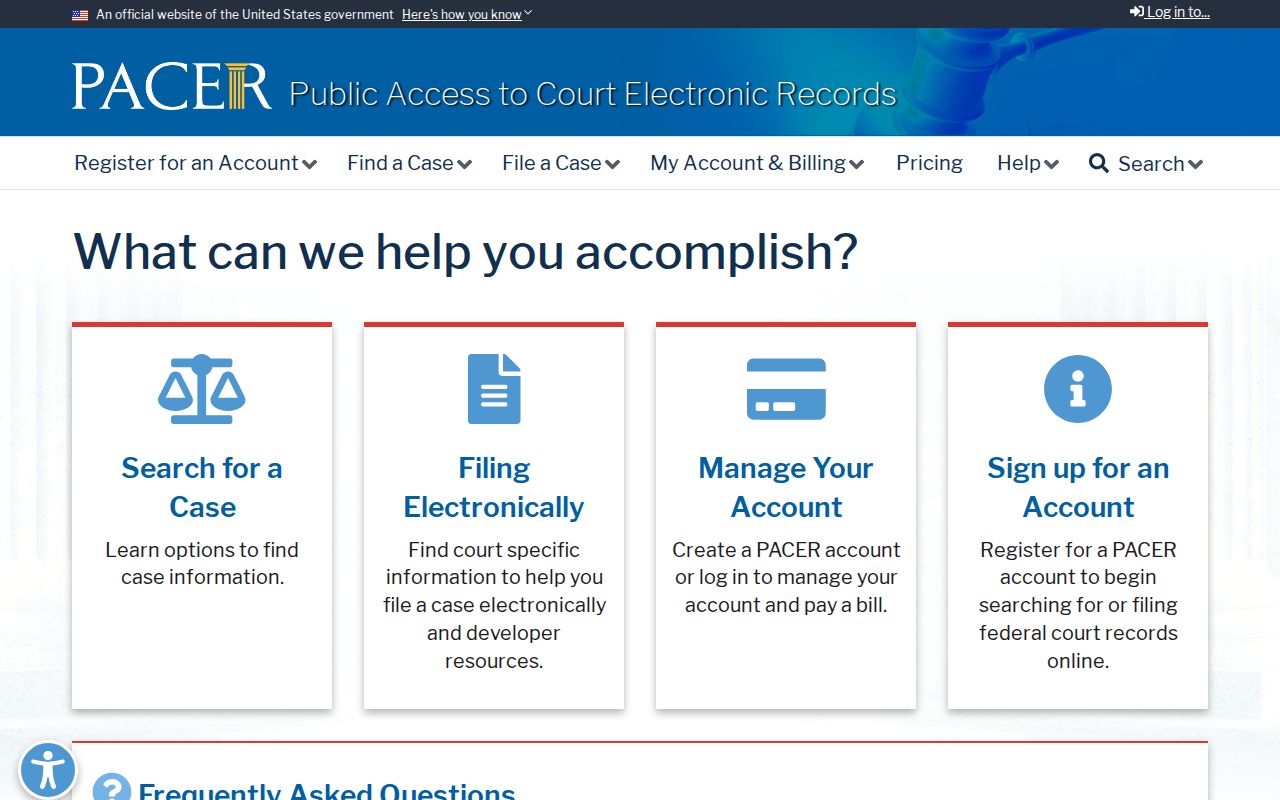
A county docket is not the only court channel. Federal matters fall in the Northern District of California. PACER allows nationwide party-name and case-number searching, with documents billed at $0.10 per page up to $3 per document and fee-waiver rules described by the service. Opinions may be available free through court sites or RECAP, but PACER remains the official docket route.
Two screenshots from the federal record trail show why source identity matters. The PACER locator supports the account-based case route.
The Northern District’s CM/ECF information points to the federal filing environment.
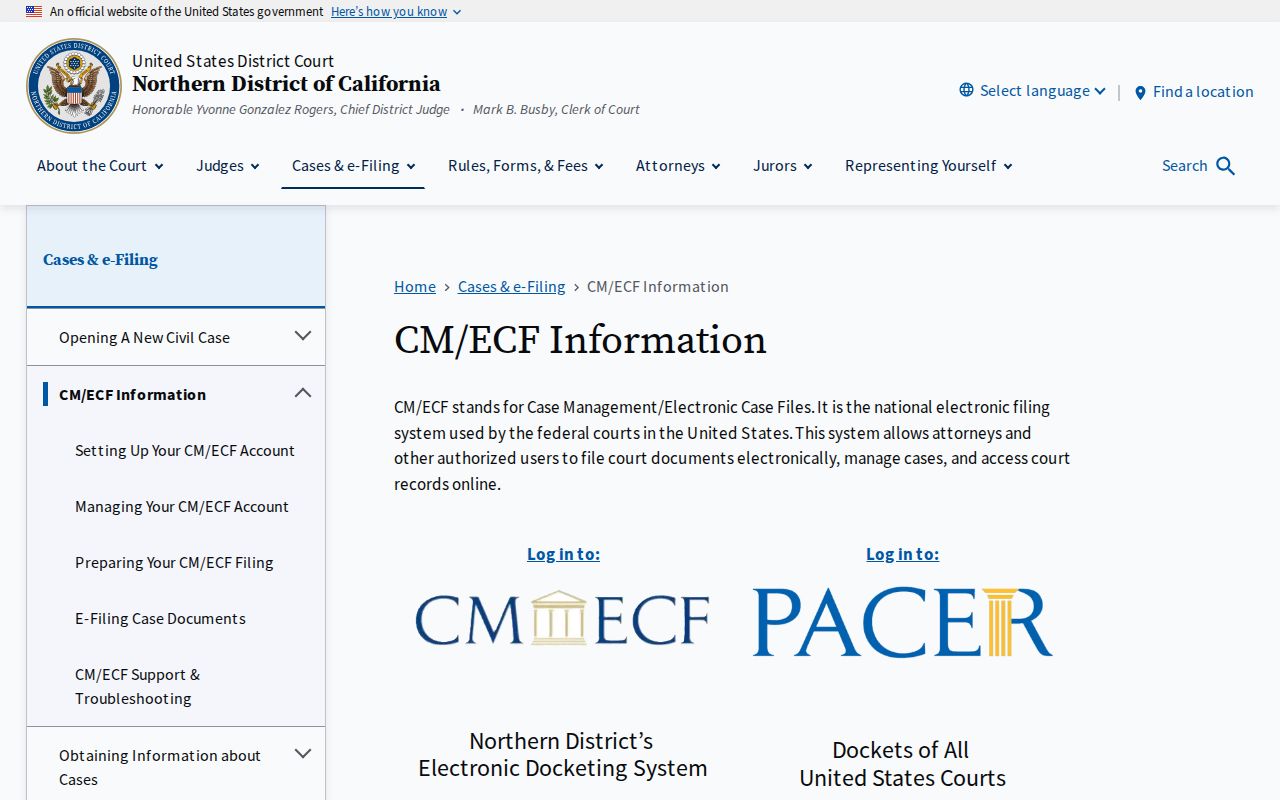
A federal match still needs a second identifier. Party names can be common, abbreviated, or attached to a business entity rather than a private person.
Confirm Palo Alto License or Business
California bizfile Online searches entity name or number and can return entity type, status, formation or registration date, agent, filed addresses, and filing history. A county fictitious-business-name record may connect a trade name to a registrant. The Department of Consumer Affairs search and its separate boards can show license number, type, status, issue or expiration, and public discipline. These records confirm a filed affiliation, not a current home.
Compare a business or license result with a permit, court party role, recorded document, or library article. A professional address can be an office, service address, or former location. A State Controller unclaimed-property result can show a reported name, city, property type, reporting company, and claim ID, but the reported address may be old and claim proof is still required.
Find a Palo Alto Heir Through Probate
Probate is a focused route when a resident question concerns an estate. A public petition, notice, order, or register entry may name the decedent, petitioner or personal representative, counsel, heirs, devisees, and mailing contacts, subject to redaction. A later distribution deed or other recorded instrument can show how an interest moved. The court file and Recorder file should be paired rather than treated as one record.
Start with the obituary index or death evidence, search the Superior Court by party name or case number, and capture the role and dates. Ask the courthouse counter for the public case-number index or a copy by document title and date when the remote view is thin. Then search the Recorder counter by the party and legal parcel. Sensitive family information may be limited even when the existence of a probate case is public.
Identity check. Match a probate candidate to a death date, relative, parcel, or later deed before describing the person as the same resident.
Birth Family and Former Classmate Routes
California adoption records are confidential. A person seeking birth-family information should use the official CDSS adoption-information or reunion procedure, a court process, or an authorized intermediary. An open name search cannot replace those rules. Confidential marriage records have their own access path as well.
For former classmates, start with school yearbooks, Stanford University Archives, the Palo Alto Library newspaper collection, alumni channels, and PAHA material. Recent student or personnel records can be restricted by FERPA, donor rules, or the organization’s own policy. A published name, school activity, or obituary can be a lead. Honor a person’s privacy when a public contact route is unavailable.
Why Voter Status Cannot Search Another
My Voter Status is a private self-lookup. It asks the voter for first name, last name, date of birth, and prompted identity data, then returns status, party preference, ballot information, polling place, and election details for that matched record. It is not a reverse name search. California Elections Code section 2194 and 2 CCR sections 19001-19013 limit fuller voter-file access to approved purposes.
Santa Clara County’s voter-data request form asks for requester identity, organization, purpose, geographic scope, fields, certification, security conditions, and a possible charge. It does not authorize a general search for one person. Safe at Home can shield a participant’s residence and confidential voter registration. A failed self-match should lead to a correction request, not a conclusion about where someone lives.
Palo Alto Resident Lookup Limits
Some dead ends are legal boundaries. Safe at Home, sealed court cases, juvenile records, adoption files, confidential marriages, protected voter fields, DMV data, and redacted police records cannot be bypassed by combining public clues. The California Public Records Act, Government Code section 7920.000 et seq., lets a person request existing nonexempt records. It does not require an agency to create a list, investigate a question, or disclose protected material.
Use a Palo Alto resident lookup for family history, reconnecting, estate research, civic transparency, and verifying a public record. If the identity cannot be separated from a same-name candidate, leave the result unresolved. The custodian can certify or correct its record. A directory reference cannot do either.
Lawful personal use. Public records are not permission to stalk, harass, impersonate, threaten, or harm anyone. Stop at a protected record and use the official office for a lawful correction or request.